


Jade Anatomy – a guide
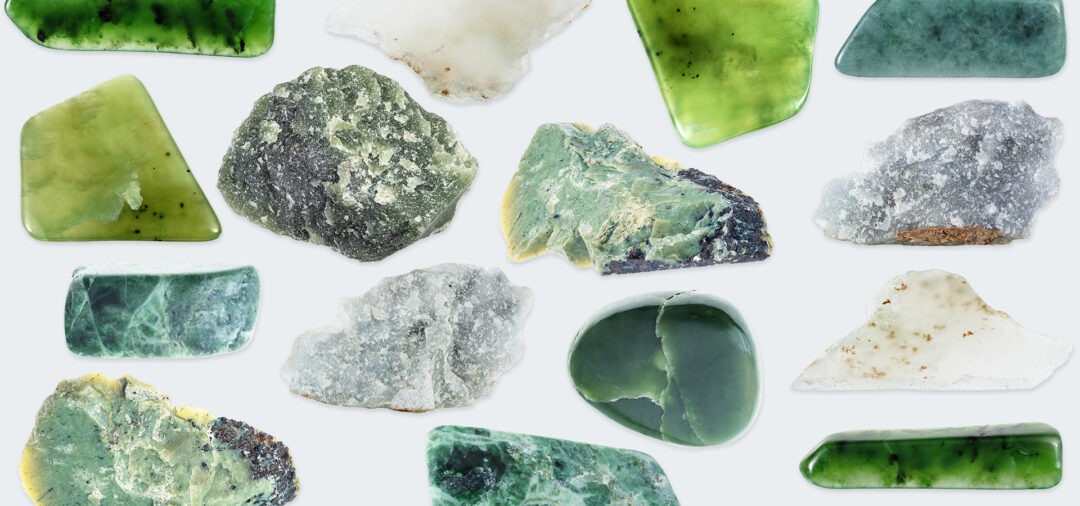
Nov
The anatomy of jade: A complete guide to varieties, origins, and value
When stepping into the world of fine gemstones, few materials carry as much mystique, history, and scientific complexity as jade. Understanding the different types of jade has been a priority for those, handling the gem. For thousands of years, jade has been admired as a stone of the gods. Yet, if you ask a geologist, a gemmologist, and a local artisan what jade is, you might get three entirely different answers.
To truly understand this legendary material, we must look past the surface and explore how it forms, where it is found, and what makes certain varieties so incredibly rare.
What is jade? The three pillars of the jade world
In Western gemmology, particularly under the strict guidelines of institutes like the Swiss Gemmological Institute (SSEF), the term “jade” is reserved exclusively for two distinct mineral types of jade: nephrite jade and jadeite jade. However, culturally and historically, high-grade serpentine group minerals have shared this sacred space for millennia, valued for their identical textural beauty and unique physical properties. To understand how they differ, we must look at how each mineral behaves:
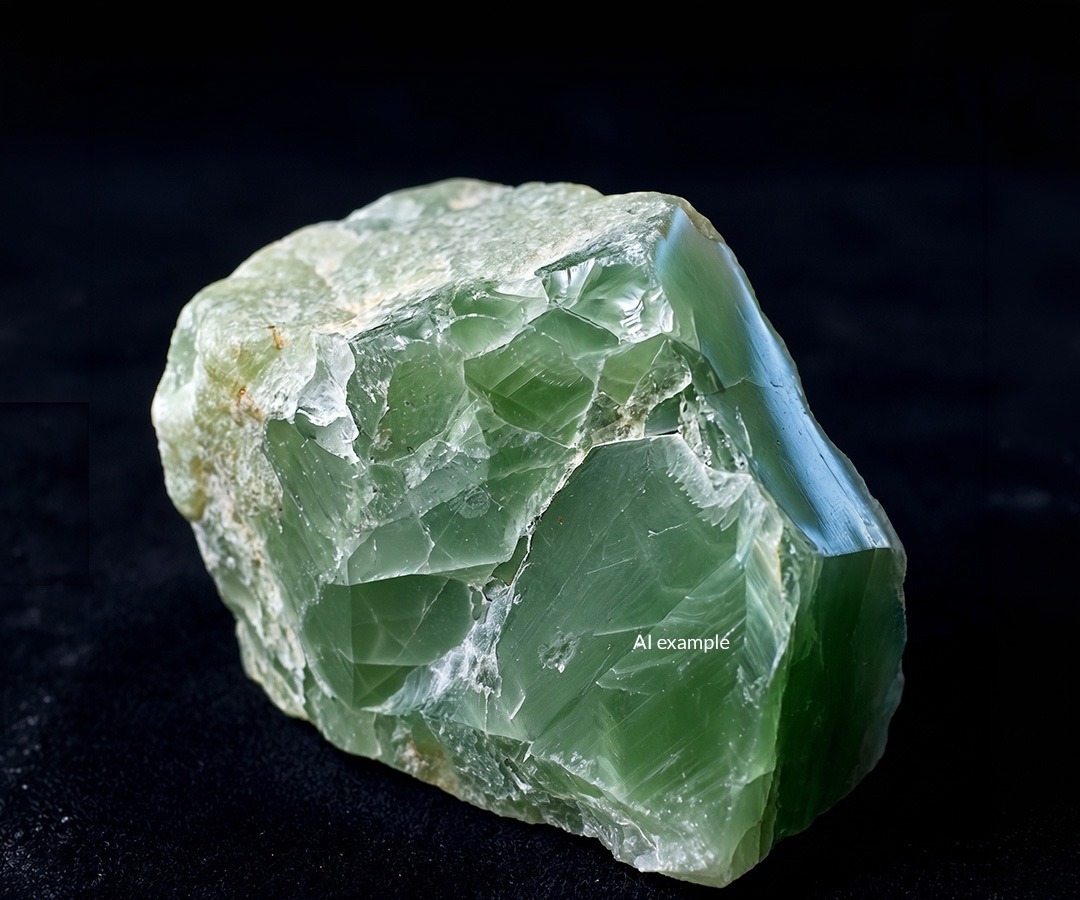
Jadeite jade
A sodium aluminum silicate belonging to the pyroxene mineral group. It is the harder and rarer of the two true jades (scoring 6.5 to 7 on the Mohs hardness scale), celebrated for its vibrant colors and glass-like, translucent qualities.
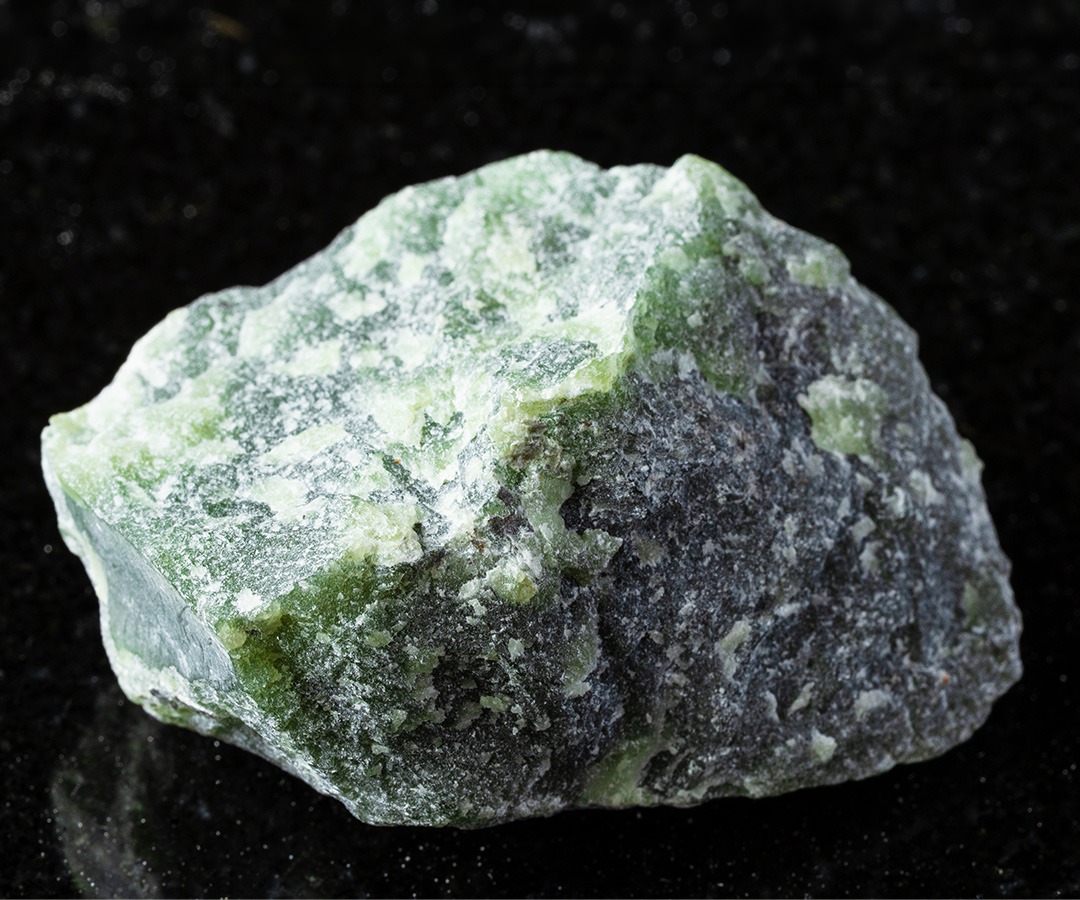
Nephrite jade
A calcium magnesium iron silicate belonging to the amphibole mineral group. While slightly softer than jadeite (6 to 6.5 Mohs), its tightly interlocking fibrous structure makes it exceptionally tough and resistant to shattering – the perfect canvas for detailed, master carving.
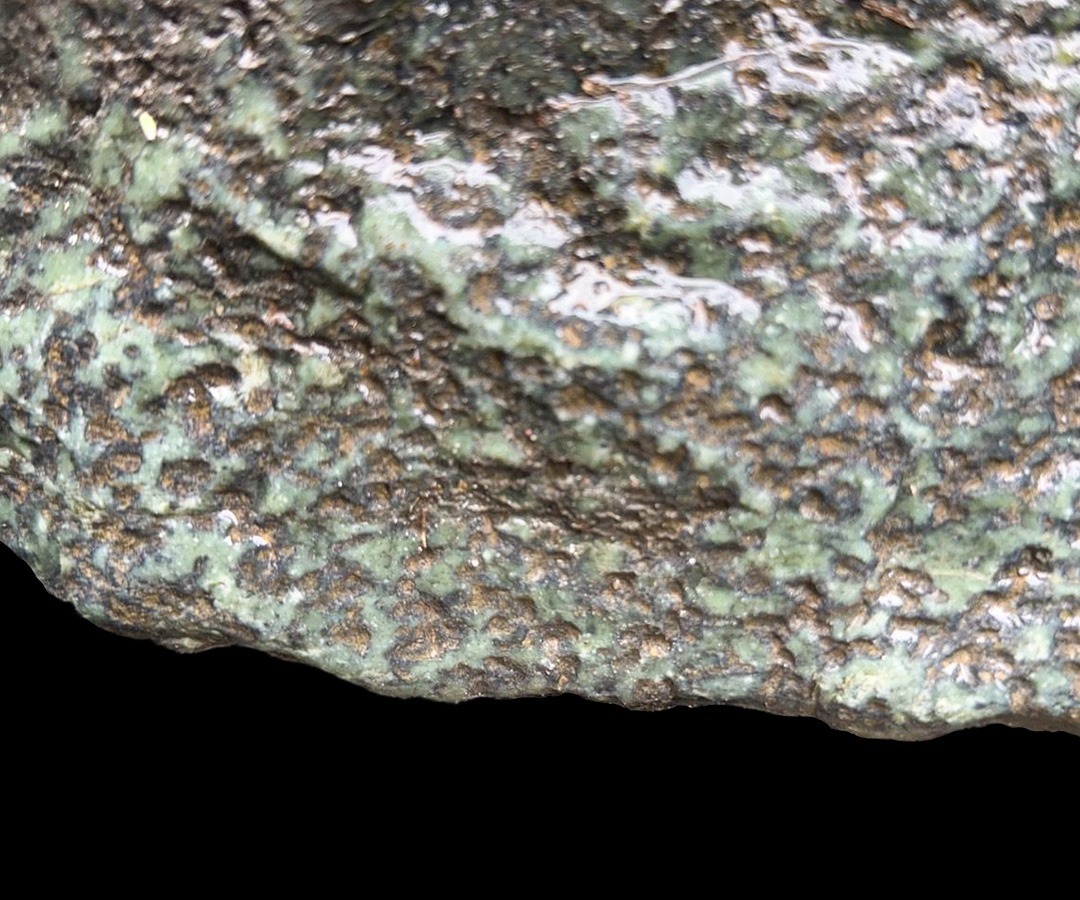
Serpentine
(Taiwanese black jade matrix)
A magnesium silicate mineral formed alongside true jade through tectonic activity. High-grade serpentine, like the Antigorite matrix found in Taiwan, is prized for its ultra-smooth texture, beautiful light play, and fascinating mineral inclusions along with its natural magnetic jewellery effects.
How does jade form? The tectonic crucible
To understand the beauty of these minerals, we must first look at how does jade form deep within the earth. Jade is a child of immense geological violence and pressure.
True jade and premium serpentine variants never form on the earth’s quiet surfaces; they are forged deep within subduction zones – the volatile areas where colossal tectonic plates collide. Under temperatures ranging from 300°C to 420°C and crushing pressures deep within the crust, water reacts with ancient volcanic rocks through a process called serpentinization. Over millions of years, these minerals recrystallize into the dense, tightly woven mineral structures we cherish today.
The visual spectrum: Understanding jade colour
Pure jadeite and nephrite are entirely white or colourless in their absolute purest forms. The breathtaking variety we see in jade colour is entirely the result of tiny chemical substitutions – trace minerals absorbed from the surrounding earth during formation.
Famous jadeite varieties
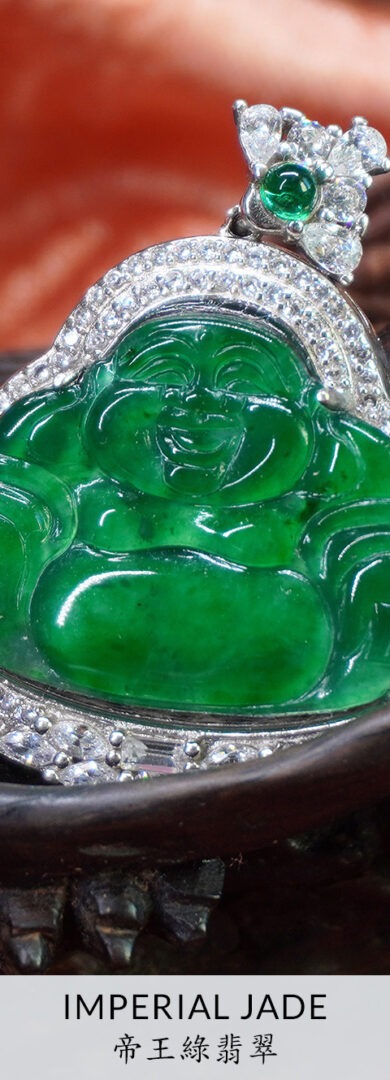
Imperial jade: The undisputed king of the jade world. Infused with trace amounts of chromium, this variety boasts a vibrant, vivid emerald-green color combined with a highly translucent, glass-like texture.
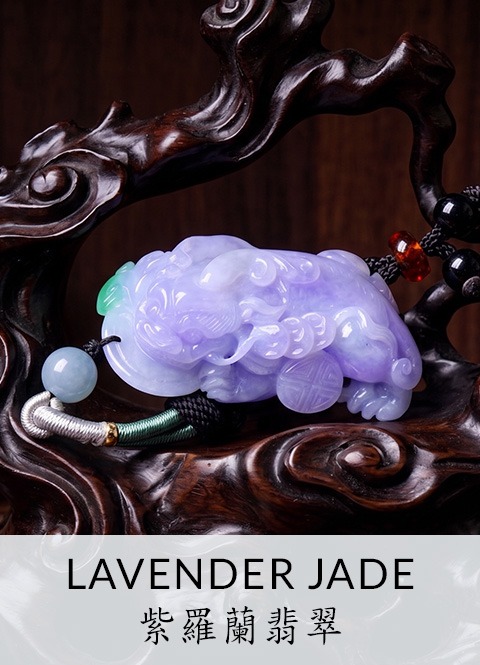
Lavender jade: A highly sought-after, romantic variety. The presence of manganese traces results in a delicate, distinct pastel-purple hue.
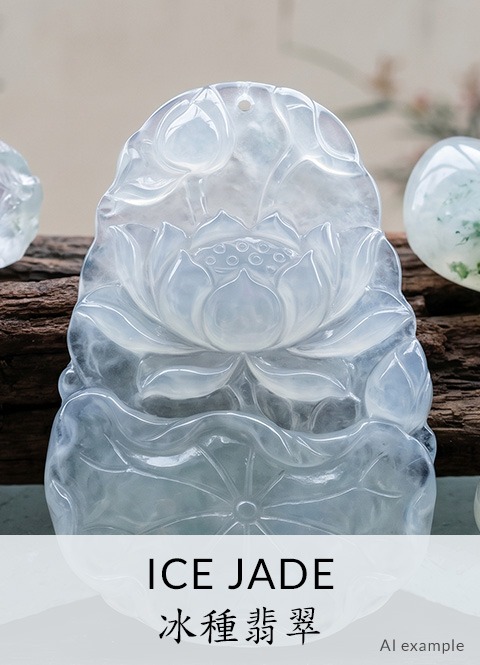
Ice jade: Entirely colorless and highly translucent, resembling a smooth shard of ancient, unmelting ice.
Famous nephrite & serpentine varieties
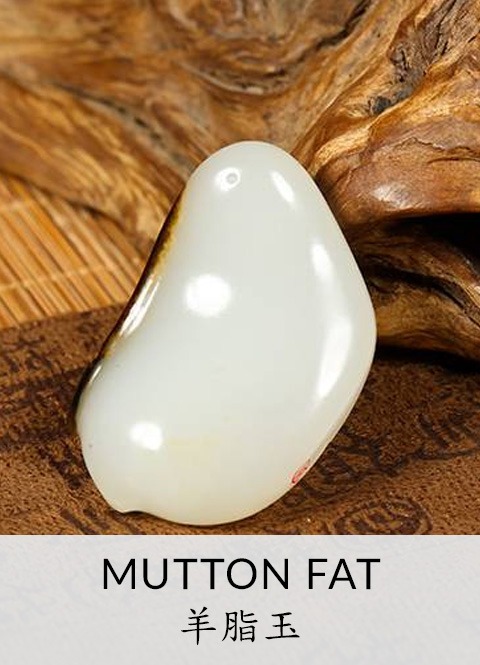
Mutton-fat jade: A legendary creamy, translucent white nephrite with a rich, greasy luster, historically prized above all others in ancient China.
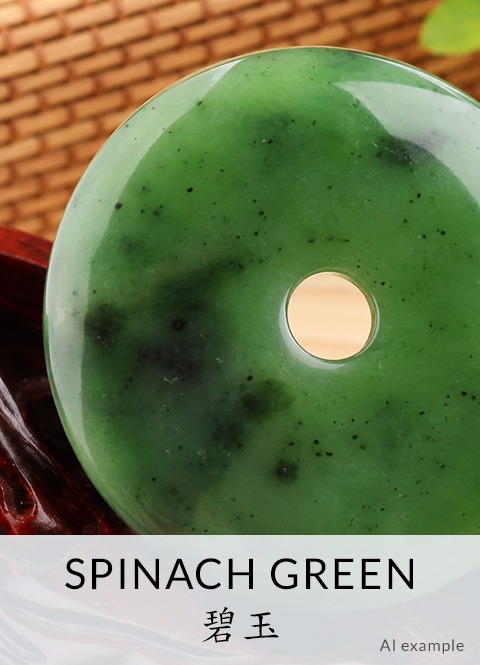
Spinach green: A rich, deep, leafy green nephrite mottled with natural iron-rich inclusions.
Taiwan jade family (nephrite/serpentine), as showcased in local historical mining archives:
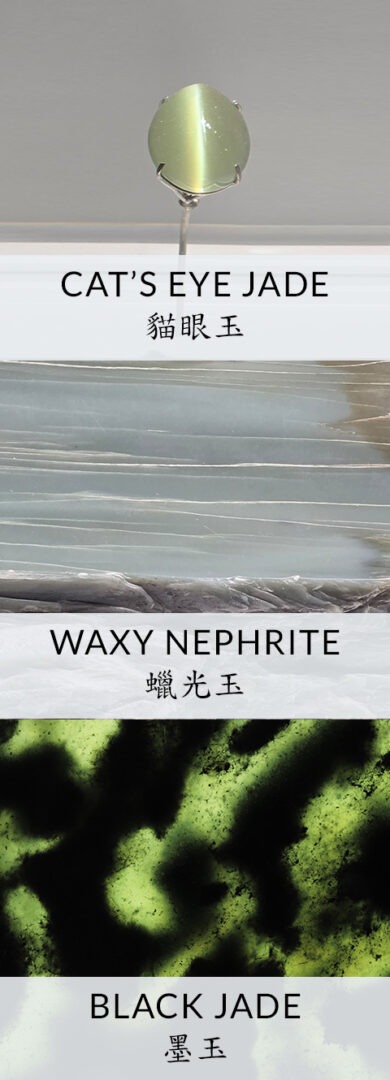
- Cat’s eye jade: A phenomenal, fibrous nephrite that beautifully reflects a moving, sharp line of light across its surface.
- Waxy nephrite: A smooth, sub-translucent variety showcasing a soft, subtle glow.
- Taiwanese black jade: A black serpentine mix with magnetic properties.
The global map of black jade: A mineralogical showdown
Not all black gemstones are created equal. Across the world, different pockets of the earth have produced their own versions of “Black Jade,” each with its own mineralogical fingerprint:
| Origin | Gem type | Primary composition | Optical & physical specialties |
|---|---|---|---|
| Taiwan (Hualien) | Serpentine matrix | Antigorite + dense magnetite (Fe₃O₄) | Appears deep black to the eye but glows bright olive-green under a flashlight. Exhibits natural magnetic properties and contains 7 different minerals. |
| Myanmar (Burma) | Jadeite | Jadeite + extreme chromium/omphacite | An intense, opaque black that flashes a brilliant, vivid emerald-green under direct focal light. Highly vitreous. |
| China | Nephrite / serpentine | Tremolite or xiuyan serpentine | A smooth, ink-black appearance with a predominantly greasy, traditional luster. Non-magnetic. |
| Australia | Nephrite | Dense actinolite + pyrite inclusions | Commonly known as “Black nephrite” or “Lemurian jade,” often displaying shimmering, metallic golden flecks of pyrite inside the dark matrix. |
Where is jade sourced? Geography of the stone
If you are wondering where is jade sourced globally, the map is remarkably exclusive. Because it requires such specific tectonic conditions to form, high-quality deposits are found in only a few key regions around the world:
Myanmar (Burma): The world’s primary source for fine jadeite jade, including legendary imperial green and lavender varieties.
China: The ancient cradle of jade culture. Famous for Xinjiang’s white “mutton-fat” nephrite and modern deposits in Qinghai.
Taiwan (Formosa): The exclusive source of authentic Taiwanese Black Jade and classic green Taiwan nephrite, anchored in the historical, protected reserves of Hualien.
New Zealand: Famous for “pounamu” – a deeply revered nephrite jade central to native Māori culture and spirituality.
Canada (British Columbia) & Wyoming (USA): Rugged, vibrant green nephrite, frequently used for monumental sculptures.
Russia (Siberia): Known for exceptionally bright spinach-green nephrite with distinctive black iron spots & rare white variants.
Guatemala & Japan: Guatemala offers unique blue-green tones while Japan’s protected Itoigawa region holds a 5,000-year carving history.
Switzerland: A unique, localized European source near Poschiavo that historically produced unique, patchy green nephrite tools.

The architecture of value: How valuable is jade?
When evaluating the jade price, standard gemstone rules (like the traditional diamond carat weight) don’t fully apply. If you want to know how valuable is jade, experts look at three strict physical pillars:

Translucency
The most critical value driver, especially for jadeite. The more light passes through – creating that glowing, water-like depth – the rarer and more valuable the stone.
Color, texture
Intensity matters, but uniformity is key. A perfectly even, cloudless distribution of color across the entire surface commands a significant premium.
Resource rarity
Taiwan banned new jade mining in the 1980s, meaning all authentic Taiwanese black jade comes from finite historical reserves – making it an increasingly valuable collectible.
Jade properties: Intention, meaning, and symbolism
Throughout different countries, people have assigned profound cultural significance, protective values and even health benefits to this stone.
In Asian traditions: Jade is treated as a living talisman of protection, balance, and good fortune. It is traditionally believed to absorb the energy of the wearer, changing its luster alongside your well-being.
In western and European mindfulness: Varieties containing natural magnetism, like Taiwanese Black Jade, are highly favored in modern mindfulness practices. The subtle magnetic presence of embedded magnetite is frequently used as an anchor for emotional grounding, meditation, and connecting with the raw, stabilizing energy of the earth.
Whether you are drawn to the fiery, glass-like brilliance of Burmese imperial jade, the soft poetry of lavender jade, or the mysterious depth of Taiwanese magnetic black jade, one thing remains true: jade is never just a stone. It is a language, spoken in colour and light.
Explore our Cups & Mugs collection